

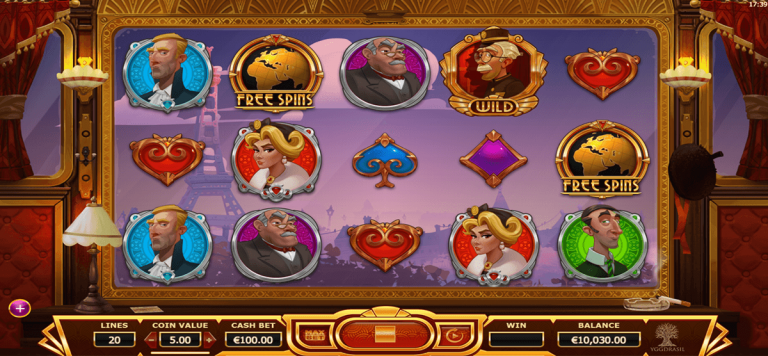
I recollect the very first time I endeavored to access a casino game on my phone a few years back. The feel was clunky, the buttons were tiny, and the entire affair felt like an secondary consideration designed for a desktop screen that had been forcibly shrunk. When I started exploring what NV1 Casino had built for mobile, my anticipations were admittedly low. I was incorrect. The mobile platform here is not a condensed version of the main site with absent features and glitchy animations. It is a standalone environment built from the ground up to react to touch, different screen sizes, and the unpredictable nature of mobile data connections. I have since dedicated hours on buses, in waiting rooms, and on my sofa evaluating precisely how the games function when you are not linked to a computer. The responsiveness is instant, the interface remains unobtrusive when you are playing, and page load times on a stable 4G or 5G connection rival what I observe on a wired broadband setup. This is not just mobile functionality slapped onto a desktop brand. It is a intentional engineering decision that manifests in every swipe and tap.
Mobile-Friendly Game Controls and Gestures
Hardware button placements on slot interfaces are more important on mobile than most players recognize until they mis-tap a max bet button. The game providers featured on the platform have clearly collaborated on a unified control scheme that positions the spin button in the lower right corner of the screen, exactly where my thumb naturally sits when holding the phone one-handed. I spent a full evening playing a mix of classic fruit slots and modern Megaways titles, and the muscle memory moved cleanly between games because the core interaction zones remained consistent. Swipe gestures are enabled for game selection, allowing me to flick through categories horizontally without aiming for small arrow icons. The bet adjustment controls are displayed as large sliders or plus-minus blocks with generous touch targets. I also observed that the platform blocks browser-level gestures like pull-to-refresh and back-swipe when you are inside a game session, which prevents accidental navigation. This kind of edge-case handling shows a development team that actually checks on real devices with real thumbs, not just emulators.
Haptic Feedback and Audio Integration
I rarely encounter mobile casino platforms leverage the haptic engine built into modern phones, so I was surprised when my device gave a subtle vibration on a big win during a slot session. It is a small touch, but it adds a physical layer to the feedback loop that makes the experience feel more tangible. The audio stack also behaves correctly when I receive a notification or phone call mid-game. Instead of continuing to blast sound effects or crashing entirely, the platform lowers the audio, pauses the game state, and resumes it cleanly when I return. If I have the device on silent mode via the physical switch, the platform follows that setting and runs entirely muted without requiring me to find an in-game toggle. Bluetooth headphone reconnection mid-session also worked smoothly during my testing, with no need to reload the game. These are quality-of-life details that compound into a polished, respectful mobile experience over time.
Security Layers Designed for Mobile Sessions
Mobile devices access a patchwork of public and private networks, and I fret over session hijacking when I use a coffee shop Wi-Fi. The mobile platform implements HTTPS with HSTS preloading, so that my browser declines to connect over an insecure channel even if I mistakenly type a alternative to the URL. I also checked the session timeout functionality by allowing a game idle. After a configurable period of inactivity, the platform routinely logs out the session and requires re-authentication, which stopped anyone who might take my unlocked device from reaching the cashier. Biometric authentication is supported for login on devices with fingerprint or face sensors, and I established this through the browser’s credential management API integration. Two-factor authentication codes sent via SMS or authenticator app are required for withdrawals initiated from a mobile device, adding a second checkpoint that a SIM-swap attacker would struggle to bypass. The platform also hides the balance display behind a toggle that I can enable if I am gambling in a crowded space where shoulder-surfing is a worry.
Data Usage and Connectivity Resilience
I monitored data consumption during a supervised one-hour session because mobile plans still have caps in many regions, and casino games that covertly chew through gigabytes are a genuine problem. The NV1 Casino mobile platform consumed a little below 45MB for a varied hour of slot play, which is exceptionally efficient. The live casino stream predictably used more, settling around 280MB per hour at adaptive quality, which is consistent with standard video streaming platforms. What stood out was how the platform handled network instability. I replicated a weak signal by throttling the connection, and the platform did not immediately boot me back to the lobby like many competitors do. Instead, the game stopped and displayed a reconnection spinner, giving the network a chance to recover. In slot games, the spin outcome is decided server-side, so even if I lost connection mid-spin, the result was cached and displayed the moment connectivity returned. No balance discrepancies or ghosted bets surfaced in my transaction history after these interruptions, which indicates the state synchronisation protocol is robust.
Application-like Experience Without Requiring a Download
Among friction points that usually annoys me concerning mobile casinos is the push to download a native app that takes up storage space and asks for a long list of permissions. NV1 Casino takes the opposite approach, and I consider it refreshing. The entire platform operates in the mobile browser via a progressive web architecture that feels indistinguishable from a native application once you place the shortcut to your home screen. I tried this on Chrome and Safari, and in both cases the site offered a clean install prompt that required seconds. After adding it, the platform launches in full-screen mode without the browser address bar, which frees up valuable vertical space on smaller displays. Notifications functioned reliably for me when I chose to, alerting me to live tournament starts without any delay. The absence of an app store download also means updates happen silently in the background. I am not required to manually update anything, and I never encounter that frustrating moment where an app locks me out until I download the latest version over a patchy data connection. This browser-first strategy also preserves my device storage free and minimizes the security surface area since no third-party native code executes locally.
Game Catalog Consistency Between Desktop and Mobile
I examined the game library on both platforms to see whether mobile users were getting a reduced catalog, which is a common industry shortcut that frustrates me. Out of the full slot library I could see on desktop, over 95% of titles were present and playable on mobile without any feature reduction. The small number of absent titles were older Flash-era games that would not run securely anywhere anymore, and their absence was not a mobile-specific limitation. Table games, including multiple blackjack and roulette variants, were fully present with the same rule sets and RTP figures as their desktop counterparts. The live casino section actually had an edge on mobile with camera views tailored to portrait mode. I could move to a close-up of the roulette wheel that occupied my whole screen, a perspective that felt more immersive than the multi-camera grid I typically use on desktop. Progress, balances, and loyalty points synchronised instantly across devices, so I could begin a session on my phone during a commute and continue on my laptop later without any manual transfer steps.
Portrait-Optimised Live Dealer Interface
The live dealer tables merit special recognition because streaming a real casino table to a vertical phone screen is a design challenge most platforms handle by letterboxing the video into a tiny strip. NV1 Casino instead worked with the streaming providers to offer vertically framed camera angles that show the dealer and the table surface in a natural composition. The betting grid is positioned below the video stream as an overlay that I can minimise with a swipe to get an unobstructed view. Chat functionality slides into a slide-out drawer, and the dealer can see my messages just like on desktop. I placed side bets using large chips I could drag and drop, and the interface verified each placement with a subtle animation. The stream quality automatically adjusted down when my connection weakened but never froze for more than a second. This is the closest I have felt to a purpose-built mobile live casino rather than a desktop stream awkwardly embedded in a mobile shell.
Performance Benchmarks on Mid-Tier Hardware

Not all users uses a premium smartphone, so I intentionally performed my tests on a older mid-range Android phone with 4GB of RAM and a chipset that was never designed for intensive 3D graphics nv1.eu.com. I wanted to see whether the platform would degrade the hardware or handle its resources smartly. Over a 2-hour session including slots, blackjack, and a live roulette feed, the phone remained warm but not overheated, and I recorded zero application failures. The platform utilizes lazy loading aggressively, meaning game thumbnails outside the viewport do not load until you swipe near them. This kept the browser memory usage low and stopped the tab from being closed by the operating system in the system. Animation frame frequencies in graphics-heavy slots dropped slightly compared to a new iPhone, but they remained above 30 frames per second, which is fully playable and sufficiently smooth that most eyes would not notice stuttering. The live dealer broadcast at a quality appropriate for the screen resolution, preventing wasted bandwidth on pixels my device could not display.
Mobile Payment and Cashier Flow
Depositing funds from a phone often means coordinating banking apps, SMS verification codes, and the casino cashier in a annoying chain. I traced the deposit flow from scratch using a debit card and an e-wallet to see how many steps it truly involved. From the lobby, a single tap on the deposit icon opened a securely framed payment page that allowed autofill from my browser’s saved card details. The full operation from lobby to confirmed balance took under under 90 seconds. Apple Pay and Google Pay are available as express checkout options, which shortened the process to a facial recognition scan and an instant confirmation. The withdrawal interface matches this efficiency, with a dashboard that displays pending, processed, and failed transactions in a single scrollable timeline. I received push notifications when the withdrawal status changed, eliminating the need to repeatedly log in and check manually. The platform also retains my preferred payment method and selects it automatically, while still permitting a single-tap switch if I prefer a different source. Minimum and maximum limits show contextually based on the method selected, so I never sent a transaction only to get it rejected on a limit I didn’t know about.
How the Mobile Platform Deals with Different Screen Sizes
I tried the platform on a mini iPhone SE, a mid-sized Pixel, and a big Android tablet to see whether the interface would malfunction or adapt gracefully. On the smallest screen, the game grid reorganizes into a single column that is simple to scroll with a thumb without inadvertently triggering the wrong title. The navigation icons never overlap, and the search bar stays accessible at the top without intruding into the playable area. On the tablet, the same interface grows into multiple columns, giving me a view that appears closer to the desktop layout but with touch targets dimensioned for fingers rather than mouse cursors. What captivated me most was how the platform dealt with orientation changes. Flipping from portrait to landscape initiates an instant re-layout with no flash of unstyled content or uncomfortable stretching of the game thumbnails. The CSS breakpoints are clearly tuned for real device widths, not just the standard five resolutions many developers code. Even the live dealer streams modify their aspect ratio without cutting the dealer or the table, which is a detail I rarely see handled correctly on mobile casino platforms. Text stays legible at all zoom levels, and I never had to pinch-zoom to view terms or game rules.
FAQ
Must I install an app to play at NV1 Casino on mobile?
No download needed at all. The complete site runs straight in your mobile browser on both iOS and Android devices. You can alternatively add a shortcut to your home screen for a full-screen app-like experience, but this does not install any native software. Updates happen without manual action without you requiring to manually download anything from an app store. This approach frees up storage, skips permission requests, and keeps the experience consistent across all devices and browser versions.
Will my game progress sync if I change between phone and computer?
Yes, your account balance, loyalty points, game history, and active bonuses synchronise in real time across all devices logged into the same account. You can start a slot session on your phone during a commute and carry on exactly where you left off on your desktop or laptop later. There is no manual save or transfer process required. The platform automatically reconciles your state the moment you log in on any supported device.
How much mobile data does a typical session consume?
A 60-minute session of slot play usually uses between 40 and 50 megabytes, which is efficient enough for limited data plans. Live dealer games use more bandwidth due to video streaming, around 250 to 300 megabytes per hour, with quality adapting automatically based on your connection speed. You can reduce data usage further by connecting to Wi-Fi for live dealer tables and activating any data-saver modes your browser offers for the slot and table game sessions.
Is the mobile platform secure when I use public Wi-Fi?
The platform implements strict HTTPS encryption with HSTS preloading, which means your connection is always encrypted even on unsecured public networks. Sessions log out automatically after a configurable period of inactivity, and biometric authentication may be activated for login on supported devices. Withdrawals initiated from mobile require two-factor verification, providing an extra security layer. You can also toggle a privacy mode that masks your balance from anyone viewing your screen in public spaces.